
Foot Reflexology Massage Gallery
$$MultiPurposeText$$
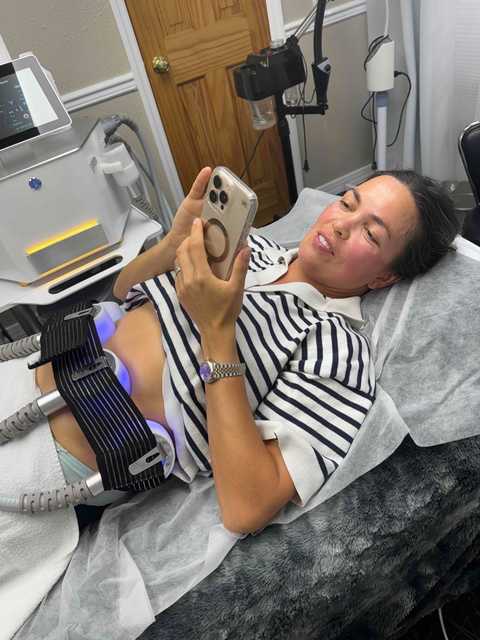
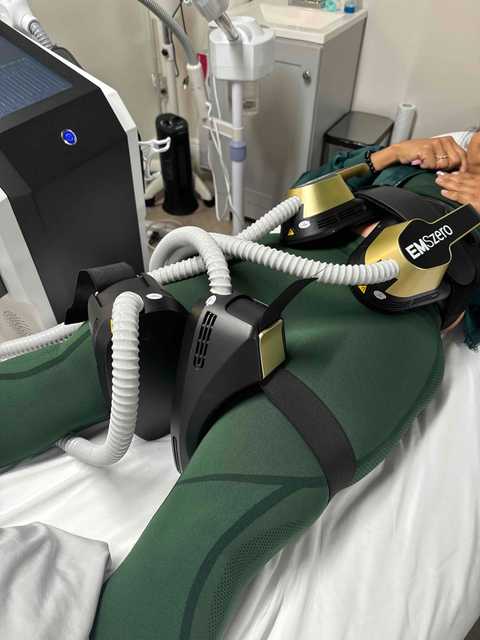
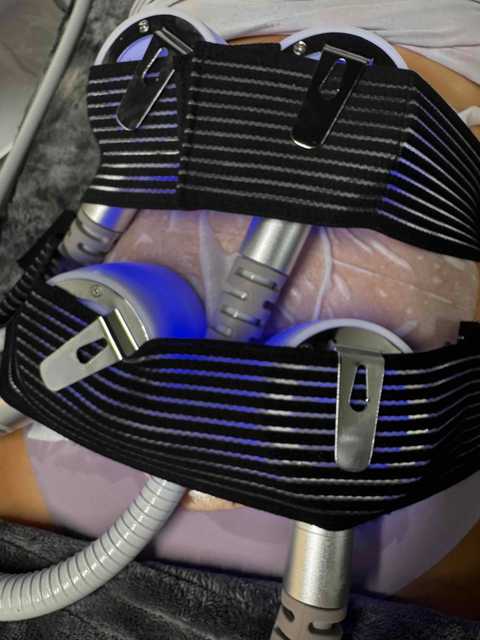
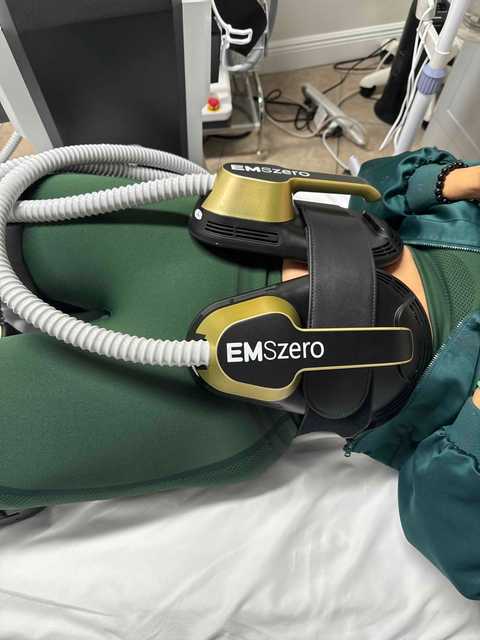
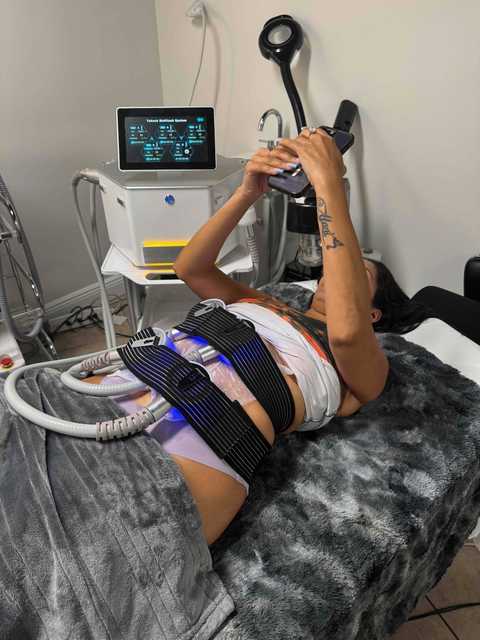
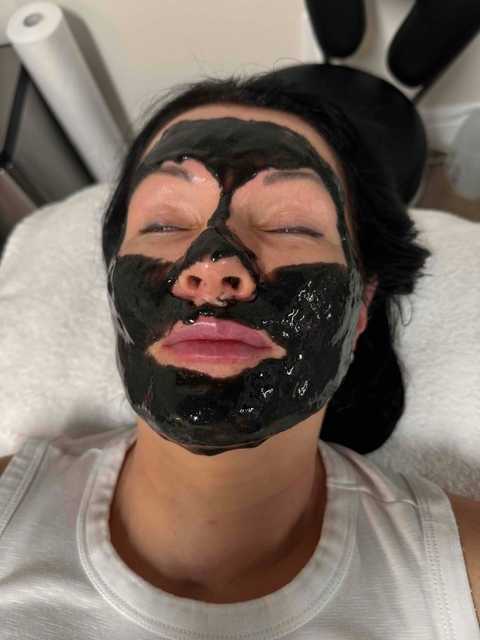
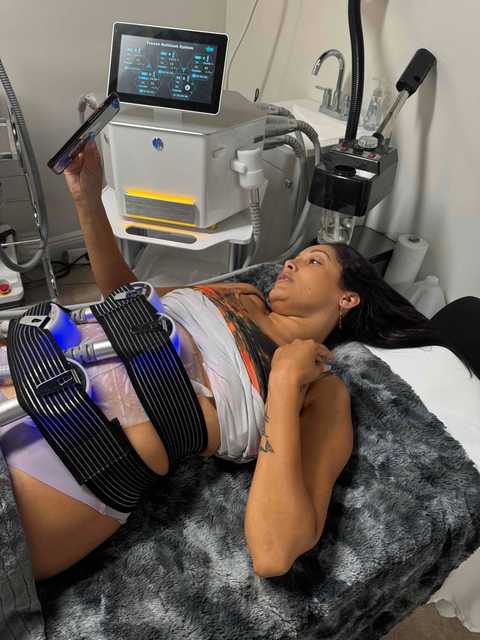
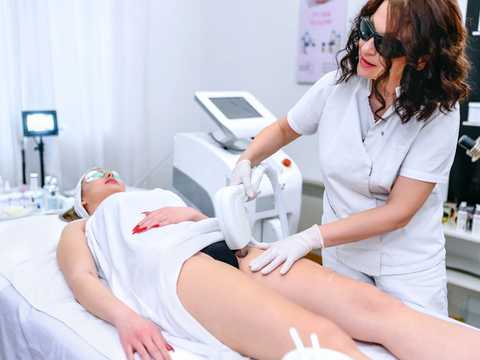
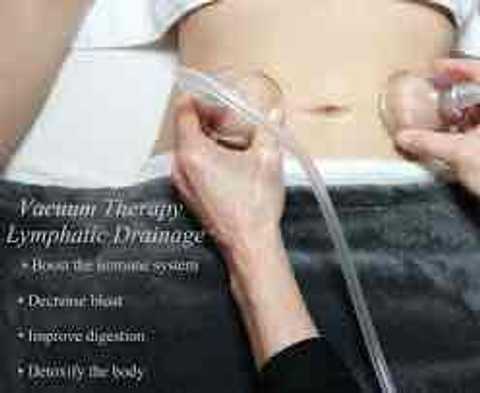
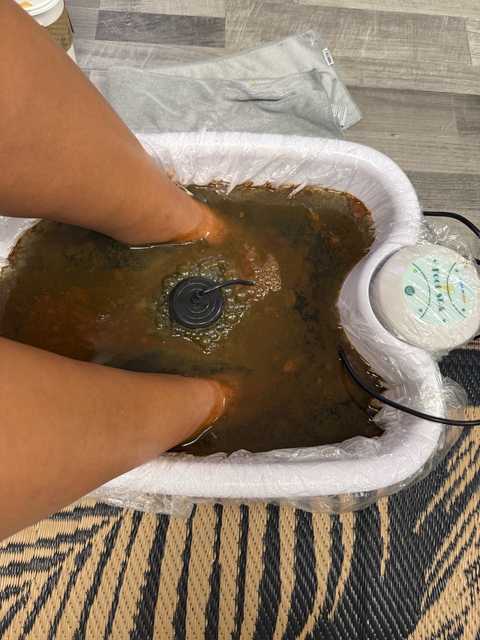
See examples of our Foot Reflexology Massage work and results.












What Our Clients Say
$$MultiPurposeText$$
Read testimonials from our satisfied customers

I’ve had two facials so far with Natalia and they’ve been amazing!! She’s so nice and very...more

Natalia did noninvasive laser lipo for me with skin tightening and lymphatic drainage and ...more

I come here to get everything done

Very relaxing and my skin looked beautiful after the hydro facial.

I’ve been going to Natalia for a few weeks now and I feel great. We are working on sculpti...more

Thank you. Will be back!

Frequently Asked Questions
Get answers to common questions about Foot Reflexology Massage.
During a session you’ll receive targeted pressure and thumb-work on reflex points, guided by an initial consultation. Many feel deep relaxation, warmth, or tingling; therapists adjust pressure for comfort. Sessions typically last 30-60 minutes to promote restorative balance.
Reflexology can be safe in pregnancy with trained practitioners who modify techniques and avoid certain reflex points. Always disclose pregnancy and medical history beforehand; we may postpone or adapt treatment during the first trimester or if there are high-risk concerns.
Frequency depends on goals: start with weekly sessions for several weeks if addressing acute issues, then move to biweekly or monthly maintenance. Your therapist will recommend a personalized schedule based on symptom severity, lifestyle, and response to treatment.
Most clients find reflexology deeply relaxing rather than painful. You may experience firm pressure or brief discomfort on sensitive points; communicate with your therapist to modify intensity. Mild soreness or emotional release can occur afterward and typically resolves in a day or two.
Reflexology can complement care for headaches, digestive complaints, stress, insomnia, and circulation issues by supporting nervous and circulatory function. It’s not a medical cure; always continue prescribed treatments and consult your healthcare provider about using reflexology alongside medical care.
Before your appointment, hydrate and avoid heavy meals; wear comfortable clothing and disclose medications, medical history, or injuries. After treatment, drink water, rest, and notice any changes. Light activities are fine; avoid strenuous exercise for a few hours to maximize restorative effects.