
Lymphatic Drainage Gallery
$$MultiPurposeText$$
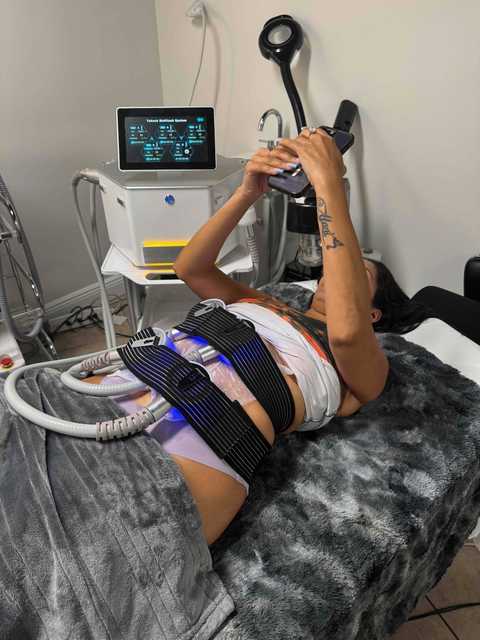
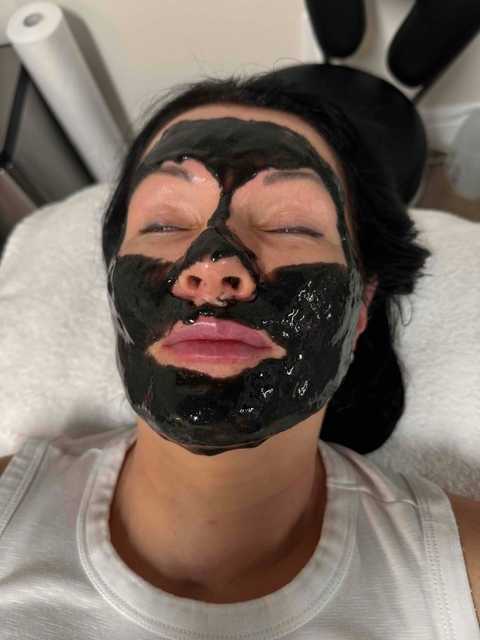
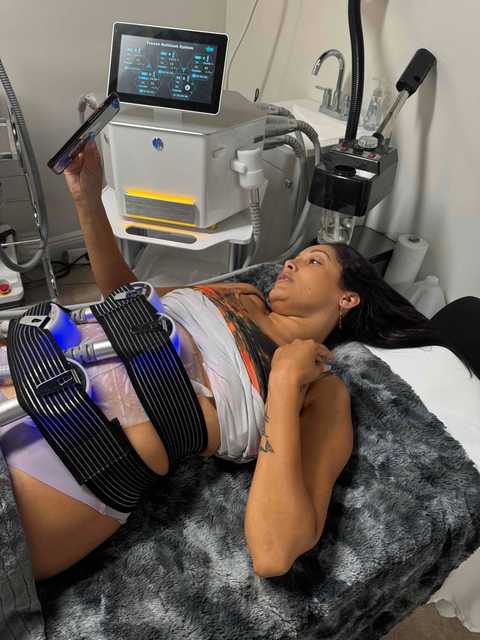
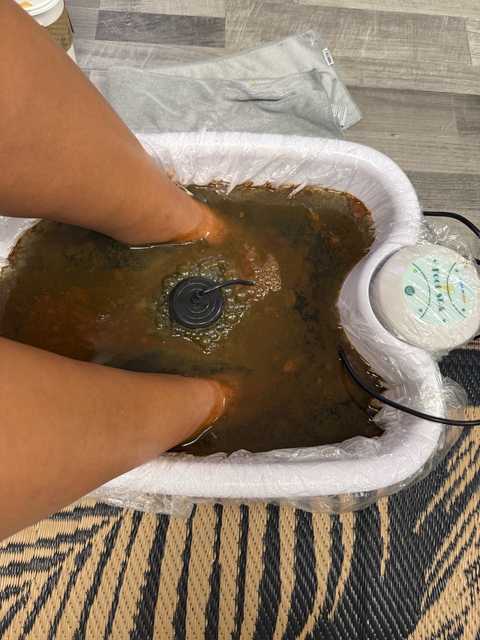
See examples of our Lymphatic Drainage work and results.
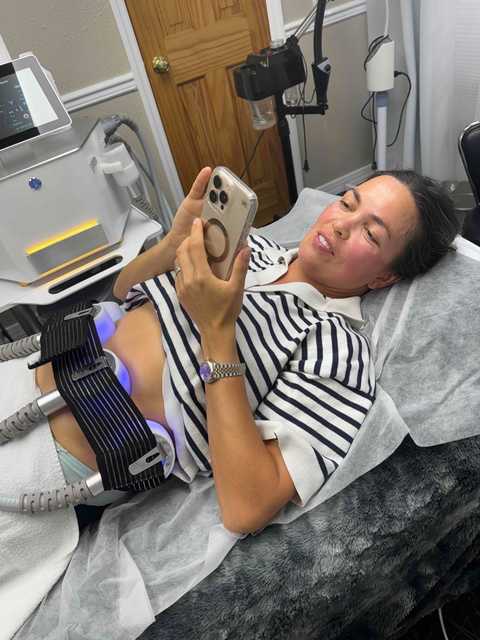


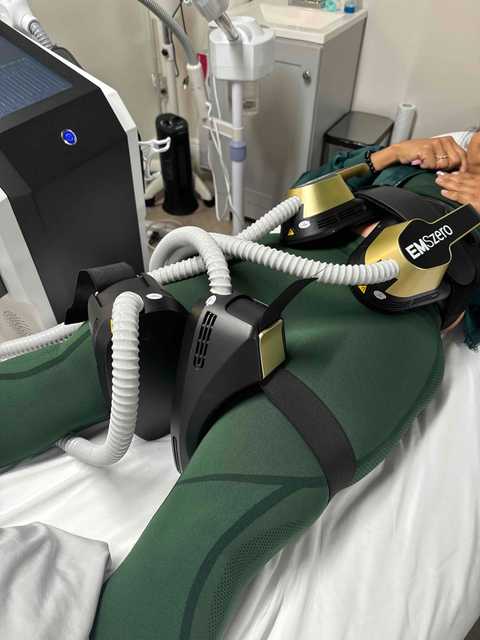
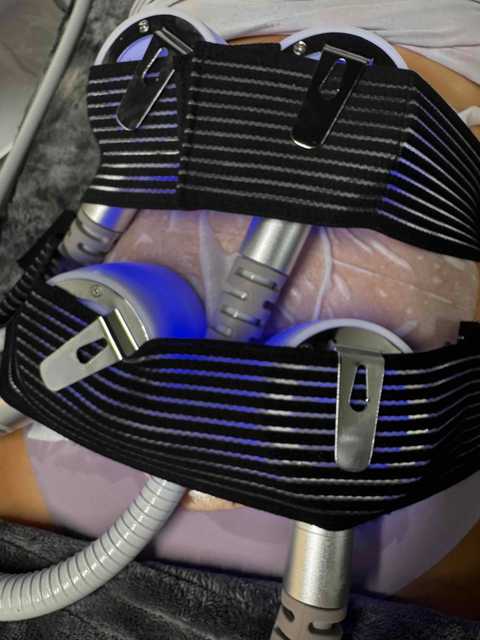


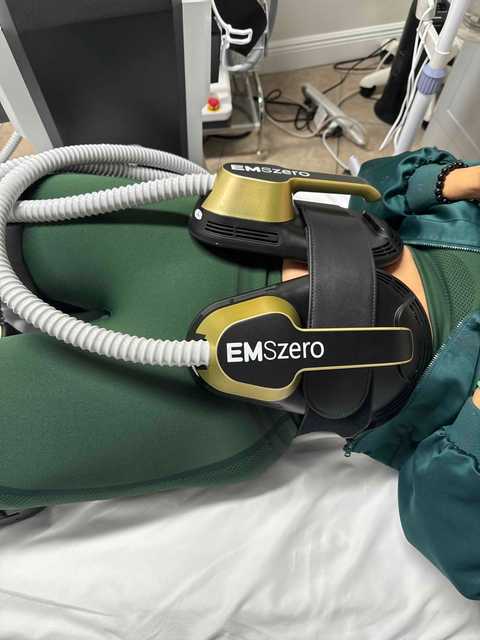











What Our Clients Say
$$MultiPurposeText$$
Read testimonials from our satisfied customers

I’ve had two facials so far with Natalia and they’ve been amazing!! She’s so nice and very...more

Natalia did noninvasive laser lipo for me with skin tightening and lymphatic drainage and ...more

I come here to get everything done

Very relaxing and my skin looked beautiful after the hydro facial.

I’ve been going to Natalia for a few weeks now and I feel great. We are working on sculpti...more

Thank you. Will be back!

Frequently Asked Questions
Get answers to common questions about Lymphatic Drainage.
Yes. When performed by trained therapists, lymphatic drainage is safe after many facial treatments. It reduces swelling and speeds recovery, but your technician will assess timing and procedure specifics to ensure it's appropriate and won't interfere with healing.
Sessions typically run 45 to 60 minutes, allowing for a full, gentle treatment focused on lymph pathways. Shorter targeted sessions are available for specific areas or post-treatment touch-ups as recommended by your therapist.
It often provides immediate reduction in swelling and puffiness, but results can be temporary. Regular sessions and supportive home care—hydration, healthy diet, and gentle movement—help maintain benefits and improve long-term lymphatic function.
Yes. Contraindications include active infections, blood clots, uncontrolled heart conditions, and certain cancers. Always disclose medical history, recent surgeries, or medications during consultation so the therapist can adapt treatment or advise alternative therapies.
Arrive hydrated, avoid heavy meals or alcohol beforehand, and wear comfortable clothing. Share medical history and recent treatments with your therapist. Plan light activity afterward and follow any homecare advice to extend treatment benefits.
Yes. Therapists often combine lymphatic techniques with facials or body treatments when appropriate. Coordination depends on timing, medical history, and treatment goals; your therapist will design a safe, effective session plan to complement other services.